FREE DELIVERY IN FRANCE FROM 60€

FAQ
Is sensitive skin the same as allergic skin?
No. Skin sensitivity is an excessive reaction of the skin caused by a compromised skin barrier, whereas an allergy involves a specific immune response to an identified allergen.
Is it possible to have both oily and sensitive skin at the same time?
Yes. Sensitivity is a condition that can affect all skin types, including combination and oily skin.
Should you change your skincare routine often if you have sensitive skin?
No, in fact, it's not recommended. Using too many products or switching them frequently can further destabilize skin that's already sensitive. A short, consistent routine is best.
Can stress make your skin more sensitive?
Yes, stress is one of the factors that can weaken the skin barrier and cause redness or tightness.
Related products
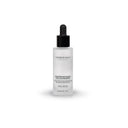

Concentré Smithsonite - Repairing Face Serum
Minimum price
12,00 €
Maximum price
65,00 €

Crème à la Smithsonite - Calming Cream
Minimum price
21,00 €
Maximum price
72,00 €

Sapphire Face Lotion Calming
Minimum price
8,00 €
Maximum price
39,00 €

Crème au Saphir - Sensitive Skin Cream
Minimum price
26,00 €
Maximum price
88,00 €

Soothing Travel Beauty Kit
Regular price
42,00 €

Restorative Beauty Travel Kit
Regular price
42,00 €
Sensitive Skin: How to Soothe Redness, Tingling, and Tightness
Redness, a sensation of heat, tingling, or tightness: when the skin reacts excessively, it’s usually a sign that its balance and protective function have been compromised. Sensitive skin can affect all skin types, including combination and oily skin, and may appear occasionally or become a more long-term condition. In her latest column, Chrystelle Lannoy, founder of Gemology, discusses the causes of this sensitivity and the best ways to soothe it.
What is sensitive skin?
Sensitive skin is skin with a weakened skin barrier that reacts more strongly than normal to certain irritants. Cold, heat, temperature changes, air conditioning, pollution, stress, or the use of overly harsh cosmetic products can cause discomfort.
The skin then becomes more vulnerable and allows irritants to penetrate more easily. It may also lose more moisture, which intensifies feelings of tightness and a burning sensation.
How can you tell if you have sensitive skin?
The main signs of sensitive skin are:
These symptoms vary from person to person and change depending on the environment, the season, stress, or one's skincare routine.
Is sensitive skin a skin type?
Skin sensitivity is generally considered more of a condition or characteristic of the skin than a distinct skin type. Therefore, dry, normal, combination, or oily skin can all become sensitive. For some people, this sensitivity is temporary; for others, it is more long-lasting and requires special daily care.
It is important to identify the factors that trigger these reactions so you can adjust your routine and avoid further irritating your skin.
What is the role of the skin microbiome?
The skin microbiome refers to the collection of microorganisms naturally present on the skin’s surface. When balanced, it helps protect the skin and maintain its natural barrier. Certain factors, such as over-cleansing, harsh products, pollution, or environmental changes, can disrupt this balance—and thus further compromise skin that is already reactive.
How can you soothe sensitive skin?
To care for sensitive skin, there’s no need to use a lot of different products: a short, gentle, and consistent routine is often best. It’s recommended that you:
The goal is to help the skin regain its comfort while supporting its protective barrier.
The Key Asset: Smithsonite
Smithsonite Concentrate was designed to meet the needs of sensitive, reactive, or compromised skin. Smithsonite, which is naturally rich in zinc, helps soothe the skin and support its natural repair mechanisms. It is combined with calcium derived from mother-of-pearl, which helps strengthen the skin barrier and improve the skin’s resilience. Over time, the skin appears stronger, more comfortable, and less reactive to external aggressors.