Shine, visible pores, uneven skin texture, blemishes... When dealing with oily skin, the first instinct is often to try to eliminate sebum at all costs. Harsh cleansers, drying treatments, and repeated exfoliation: these steps may sometimes make your skin appear clearer, but they can actually make the problem worse.
What is oily skin?
Oily skin is skin that naturally produces an excessive amount of sebum. This oily substance is produced by the sebaceous glands and plays an essential role in maintaining the skin's balance.
Contrary to popular belief, sebum is not the enemy. In the right amounts, it helps protect the skin from external aggressors, nourish it, and keep it supple. The problem arises when it is produced in excess.
Oily skin is a long-lasting skin type, but its sebum production can vary depending on age, hormones, stress, the environment, or the cosmetics used.
How can you tell if you have oily skin?
The main signs of oily skin are:
- shiny patches, particularly noticeable in the T-zone
- enlarged or more noticeable pores
- uneven skin texture
- skin that becomes oily again quickly after cleansing
- the presence of blackheads, comedones, or blemishes
- makeup that doesn't last as well throughout the day
These symptoms may affect the entire face or be concentrated on the forehead, nose, and chin. In the latter case, the skin is generally combination to oily.
Why does excess sebum lead to breakouts?
When produced in excess, sebum can become thicker and build up on the skin's surface. Combined with dead skin cells and impurities, it can then clog the pores.
The skin's texture becomes more uneven, pores appear more visible, and blackheads or blemishes may develop. The goal, therefore, is not to completely eliminate sebum, but to regulate its production and maintain its quality.
Why shouldn't you dry out oily skin?
Deep-cleansing oily skin may seem effective in the short term, as shine disappears immediately after cleansing. However, products that are too harsh also strip away the lipids essential for protecting the skin and can weaken its barrier.
The skin then loses moisture more easily and becomes dehydrated. To compensate for this imbalance, it may produce even more sebum. A vicious cycle sets in: the more you try to dry out the skin, the more likely it is to become oily again.
Oily skin should therefore be cleansed thoroughly, but never stripped.
Can oily skin be dehydrated?
Yes, and this situation is particularly common. Hydration levels and sebum production are two different processes: skin can produce a lot of oil while still being dehydrated.
As a result, the skin may appear shiny, but it may also feel tight, lack suppleness, have a dull complexion, or show fine lines caused by dehydration. Using only purifying or drying products may exacerbate this imbalance.
It is therefore essential to hydrate oily skin using lightweight, non-greasy moisturizing formulas tailored to its needs.
What is the role of the skin microbiome?
The skin microbiome refers to the collection of microorganisms naturally present on the skin's surface. When it is in balance, it helps protect the skin and maintain its natural barrier.
Overly harsh cleansing, excessive exfoliation, or repeated use of harsh skincare products can disrupt this balance. As a result, the skin becomes more vulnerable, more prone to dehydration, and sometimes more prone to breakouts.
Caring for oily skin, therefore, involves regulating sebum production while preserving the skin’s microbiome and its protective function.
How do you take care of oily skin?
To restore balance to oily skin without drying it out, it is recommended that you:
- Clean your face morning and night with a gentle cleanser
- Avoid harsh cleansers and lotions with a high alcohol content
- Moisturize your skin daily with a lightweight formula
- use skincare products that help regulate sebum production
- Exfoliate your skin in moderation to unclog your pores
- Avoid overdoing it with exfoliation or purifying masks
- Protect your skin from UV rays every day
The goal is to gradually reduce shine and imperfections while maintaining the skin's moisture, comfort, and natural balance.
The Key Ingredient: Moonstone
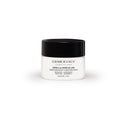
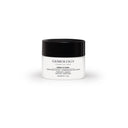
The Moonstone Cream was formulated to meet the needs of combination to oily skin. Moonstone, which is naturally rich in potassium, provides the skin with an essential trace element that helps regulate sebum production while maintaining the skin’s moisture levels.
Potassium is combined with silicon, which helps refine skin texture and visibly minimize the appearance of pores. Gradually, the skin appears more balanced, smoother, and clearer, without becoming dry.




Oily Skin: Why Drying It Out Only Makes the Problem Worse
Shine, visible pores, uneven skin texture, blemishes... When dealing with oily skin, the first instinct is often to try to eliminate sebum at all costs. Harsh cleansers, drying treatments, and repeated exfoliation: these steps may sometimes make your skin appear clearer, but they can actually make the problem worse.
What is oily skin?
Oily skin is skin that naturally produces an excessive amount of sebum. This oily substance is produced by the sebaceous glands and plays an essential role in maintaining the skin's balance.
Contrary to popular belief, sebum is not the enemy. In the right amounts, it helps protect the skin from external aggressors, nourish it, and keep it supple. The problem arises when it is produced in excess.
Oily skin is a long-lasting skin type, but its sebum production can vary depending on age, hormones, stress, the environment, or the cosmetics used.
How can you tell if you have oily skin?
The main signs of oily skin are:
These symptoms may affect the entire face or be concentrated on the forehead, nose, and chin. In the latter case, the skin is generally combination to oily.
Why does excess sebum lead to breakouts?
When produced in excess, sebum can become thicker and build up on the skin's surface. Combined with dead skin cells and impurities, it can then clog the pores.
The skin's texture becomes more uneven, pores appear more visible, and blackheads or blemishes may develop. The goal, therefore, is not to completely eliminate sebum, but to regulate its production and maintain its quality.
Why shouldn't you dry out oily skin?
Deep-cleansing oily skin may seem effective in the short term, as shine disappears immediately after cleansing. However, products that are too harsh also strip away the lipids essential for protecting the skin and can weaken its barrier.
The skin then loses moisture more easily and becomes dehydrated. To compensate for this imbalance, it may produce even more sebum. A vicious cycle sets in: the more you try to dry out the skin, the more likely it is to become oily again.
Oily skin should therefore be cleansed thoroughly, but never stripped.
Can oily skin be dehydrated?
Yes, and this situation is particularly common. Hydration levels and sebum production are two different processes: skin can produce a lot of oil while still being dehydrated.
As a result, the skin may appear shiny, but it may also feel tight, lack suppleness, have a dull complexion, or show fine lines caused by dehydration. Using only purifying or drying products may exacerbate this imbalance.
It is therefore essential to hydrate oily skin using lightweight, non-greasy moisturizing formulas tailored to its needs.
What is the role of the skin microbiome?
The skin microbiome refers to the collection of microorganisms naturally present on the skin's surface. When it is in balance, it helps protect the skin and maintain its natural barrier.
Overly harsh cleansing, excessive exfoliation, or repeated use of harsh skincare products can disrupt this balance. As a result, the skin becomes more vulnerable, more prone to dehydration, and sometimes more prone to breakouts.
Caring for oily skin, therefore, involves regulating sebum production while preserving the skin’s microbiome and its protective function.
How do you take care of oily skin?
To restore balance to oily skin without drying it out, it is recommended that you:
The goal is to gradually reduce shine and imperfections while maintaining the skin's moisture, comfort, and natural balance.
The Key Ingredient: Moonstone
The Moonstone Cream was formulated to meet the needs of combination to oily skin. Moonstone, which is naturally rich in potassium, provides the skin with an essential trace element that helps regulate sebum production while maintaining the skin’s moisture levels.
Potassium is combined with silicon, which helps refine skin texture and visibly minimize the appearance of pores. Gradually, the skin appears more balanced, smoother, and clearer, without becoming dry.