Tightness, a dull complexion, a lack of radiance, more visible fine lines… These signs are almost always attributed to dry skin. Yet, in many cases, they point to an entirely different issue: skin dehydration. These are two very different mechanisms, and the solutions for each should not be confused. In her latest column, Chrystelle Lannoy, founder of Gemology, addresses this widespread confusion—here, we explain how to make sense of it all and, most importantly, what to do about it.
Dry skin and dehydrated skin: two very different issues
Dry skin is a skin type. It naturally produces less sebum and therefore lacks lipids, or fatty substances. Its protective barrier is more fragile, which often leads to persistent discomfort, a rough texture, or flaking. This is a long-term characteristic that is present year-round.
Dehydrated skin, on the other hand, is a condition—one that is temporary and reversible. It lacks water and can affect absolutely any skin type: dry, normal, combination, and even oily. In other words, skin that looks shiny and produces sebum can very well be dehydrated at the same time.
The rule to remember: dry skin lacks oil, while dehydrated skin lacks water. And the recommended treatments are not the same.
Signs That Indicate Dehydrated Skin
There are several signs that can help identify skin dehydration:
- a tight, pulling sensation, especially after washing
- a dull, tired complexion
- a lack of flexibility and comfort to the touch
- more pronounced fine lines caused by dehydration, particularly at the corners of the eyes
- makeup that "highlights" certain areas of the face throughout the day
These signs often appear sporadically: during seasonal changes, after exposure to cold or sun, in an air-conditioned environment, or simply when your skincare routine is no longer suitable. The good news is that, unlike chronic dry skin, which is long-lasting, dehydration can improve quickly once the skin receives the right care.
Why does the skin lose moisture?
The skin naturally loses a small amount of water throughout the day—a phenomenon known as insensible water loss. When the skin barrier is compromised, it can no longer retain enough water in the epidermis, causing it to evaporate more quickly. The result: a visible decrease in hydration.
The point of a moisturizing routine, therefore, is not just to provide the skin with water, but above all to help it retain that moisture over the long term.
Can oily skin be dehydrated?
Yes, and it’s actually very common. Sebum production and hydration levels are two separate processes: skin can produce a lot of oil while still being severely dehydrated, resulting in tightness, a dull complexion, or fine lines caused by dehydration.
In this case, relying solely on drying or purifying skincare products may further weaken the skin barrier. It’s better to opt for lightweight, moisturizing formulas that are suitable for combination to oily skin.
Is drinking water enough to keep your skin hydrated?
Drinking enough water is essential for the body to function properly—but that isn’t always enough to remedy dehydrated skin. Skin hydration also depends on the skin’s ability to retain that water and limit its evaporation. A compromised skin barrier can continue to lose moisture, even when the body’s overall hydration levels are perfectly adequate.
How to Hydrate Dehydrated Skin Long-Term
To restore the skin's suppleness and comfort, a gentle, targeted skincare routine is essential:
- cleanse the skin without irritating it
- Apply a moisturizing serum in the morning and at night
- Use a moisturizer suited to your skin type to minimize water loss
- Avoid water that is too hot and cleaners that are too harsh
- Protect your skin daily from environmental stressors and UV rays
The Key Asset: Jade
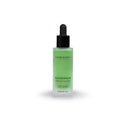
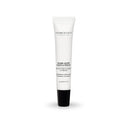
At the heart of the Jade Hydrating Serum is jade, which is naturally rich in silicon and sodium. This stone helps the skin retain moisture over time. Its formula, made with 100% naturally derived ingredients, is designed to meet the needs of all types of dehydrated skin, restoring suppleness, comfort, and radiance.





Dry Skin or Dehydrated Skin: How to Identify the Real Cause of Your Tightness
Tightness, a dull complexion, a lack of radiance, more visible fine lines… These signs are almost always attributed to dry skin. Yet, in many cases, they point to an entirely different issue: skin dehydration. These are two very different mechanisms, and the solutions for each should not be confused. In her latest column, Chrystelle Lannoy, founder of Gemology, addresses this widespread confusion—here, we explain how to make sense of it all and, most importantly, what to do about it.
Dry skin and dehydrated skin: two very different issues
Dry skin is a skin type. It naturally produces less sebum and therefore lacks lipids, or fatty substances. Its protective barrier is more fragile, which often leads to persistent discomfort, a rough texture, or flaking. This is a long-term characteristic that is present year-round.
Dehydrated skin, on the other hand, is a condition—one that is temporary and reversible. It lacks water and can affect absolutely any skin type: dry, normal, combination, and even oily. In other words, skin that looks shiny and produces sebum can very well be dehydrated at the same time.
The rule to remember: dry skin lacks oil, while dehydrated skin lacks water. And the recommended treatments are not the same.
Signs That Indicate Dehydrated Skin
There are several signs that can help identify skin dehydration:
These signs often appear sporadically: during seasonal changes, after exposure to cold or sun, in an air-conditioned environment, or simply when your skincare routine is no longer suitable. The good news is that, unlike chronic dry skin, which is long-lasting, dehydration can improve quickly once the skin receives the right care.
Why does the skin lose moisture?
The skin naturally loses a small amount of water throughout the day—a phenomenon known as insensible water loss. When the skin barrier is compromised, it can no longer retain enough water in the epidermis, causing it to evaporate more quickly. The result: a visible decrease in hydration.
The point of a moisturizing routine, therefore, is not just to provide the skin with water, but above all to help it retain that moisture over the long term.
Can oily skin be dehydrated?
Yes, and it’s actually very common. Sebum production and hydration levels are two separate processes: skin can produce a lot of oil while still being severely dehydrated, resulting in tightness, a dull complexion, or fine lines caused by dehydration.
In this case, relying solely on drying or purifying skincare products may further weaken the skin barrier. It’s better to opt for lightweight, moisturizing formulas that are suitable for combination to oily skin.
Is drinking water enough to keep your skin hydrated?
Drinking enough water is essential for the body to function properly—but that isn’t always enough to remedy dehydrated skin. Skin hydration also depends on the skin’s ability to retain that water and limit its evaporation. A compromised skin barrier can continue to lose moisture, even when the body’s overall hydration levels are perfectly adequate.
How to Hydrate Dehydrated Skin Long-Term
To restore the skin's suppleness and comfort, a gentle, targeted skincare routine is essential:
The Key Asset: Jade
At the heart of the Jade Hydrating Serum is jade, which is naturally rich in silicon and sodium. This stone helps the skin retain moisture over time. Its formula, made with 100% naturally derived ingredients, is designed to meet the needs of all types of dehydrated skin, restoring suppleness, comfort, and radiance.